

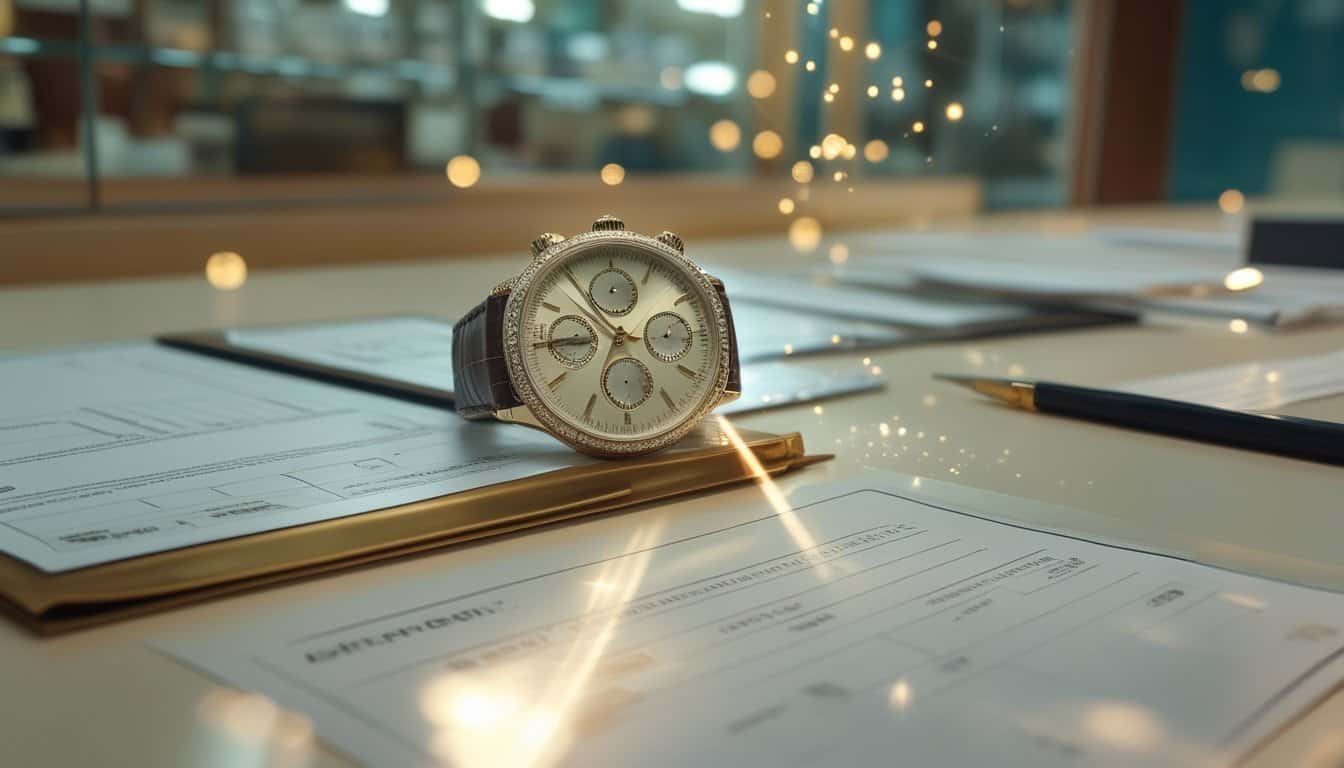
Service Overview for Luxury Watches
Specialist watch pawnbroking
A practical guide to using AIENB for pawning luxury watches in Malaysia, covering value, costs, safety, and redemption.
When I look for a fast and practical way to unlock cash from a valuable watch, AIENB Kedai Pajak Jam Tangan is positioned as a specialist option for luxury timepieces. The focus is not only on generic items, but on watches with recognisable market demand, clear provenance, and strong resale value.
The main benefit of a watch-focused pawnbroking service is confidence. A dedicated team is more likely to understand brand positioning, model rarity, condition grading, and current market trends, which can make the experience less stressful for first-time customers.
Step-by-Step Pawning Process
Documents, assessment, and payment
Before I go to the counter, I prepare the watch, box, warranty card or certificate, service records, purchase receipt, extra links, accessories, and a valid identity document. Good preparation helps the assessor verify the item faster and keeps the process smooth. Related source: pawn luxury watch.
At the branch, the watch is typically inspected for brand, model, serial number, condition, functionality, and completeness of the set. The assessor may check the movement, case, bracelet, clasp, dial, signs of polishing, parts replacement, and authenticity before making an offer.
After the assessment, I review the pawn ticket carefully, including the loan amount, interest, due date, and any fees. If I agree, payment is usually made in cash or another approved method, and I keep the ticket safe for redemption, renewal, or extension later.
What Determines Watch Pawn Value
Brand, condition, and completeness
The first factors are brand and model. Some watches hold value better because they are more desirable in the market, while condition issues such as scratches, worn straps, moisture damage, or non-original parts can reduce the valuation.
Service history and completeness also matter. A watch with documented servicing, original box, certificate, warranty card, receipt, and spare links can give the assessor more confidence and may support a stronger offer than an incomplete set.
To form a realistic expectation, I compare current retail price, pre-owned asking prices, and overall demand. I do not rely on a single online listing; instead, I look for a pattern across several sources before visiting the pawnbroker.
Costs, Terms, and Asset Protection
Interest, fees, storage, and auction rules
In Malaysia, pawnbroking is regulated, and the interest or profit charge is subject to legal limits under the relevant licensing framework. I always confirm the current terms directly before signing and ask whether charges are monthly, tiered, or subject to minimum fees.
Besides interest, I watch for ticket fees, replacement charges if the pawn ticket is lost, renewal costs, and conditions that apply if the item is not redeemed on time. A simple estimate starts with the loan principal, monthly charge, number of months, and any additional fees.
Security is also important. A reliable pawnshop should store valuable watches in a controlled environment with proper tracking, CCTV monitoring, strongroom procedures, and insurance where applicable. I also make sure redemption requires valid identification to prevent unauthorised collection.
How to Maximise Value and Choose Wisely
Preparation, negotiation, and alternatives
Before bringing the watch in, I clean it gently with a soft cloth, avoid risky repairs or overpolishing, and gather the original box, papers, receipts, service records, and accessories. Anything that reduces uncertainty can support the offer I receive.
When negotiating, I stay polite and factual. I mention comparable market prices if I have checked them, ask which factors are limiting the offer, and decide whether the loan amount and terms match my short-term needs.
Pawning is useful when I want fast cash but still want the chance to get my watch back. Selling may suit me if I no longer want the item, while a bank loan may involve more documentation, credit assessment, and waiting time.